
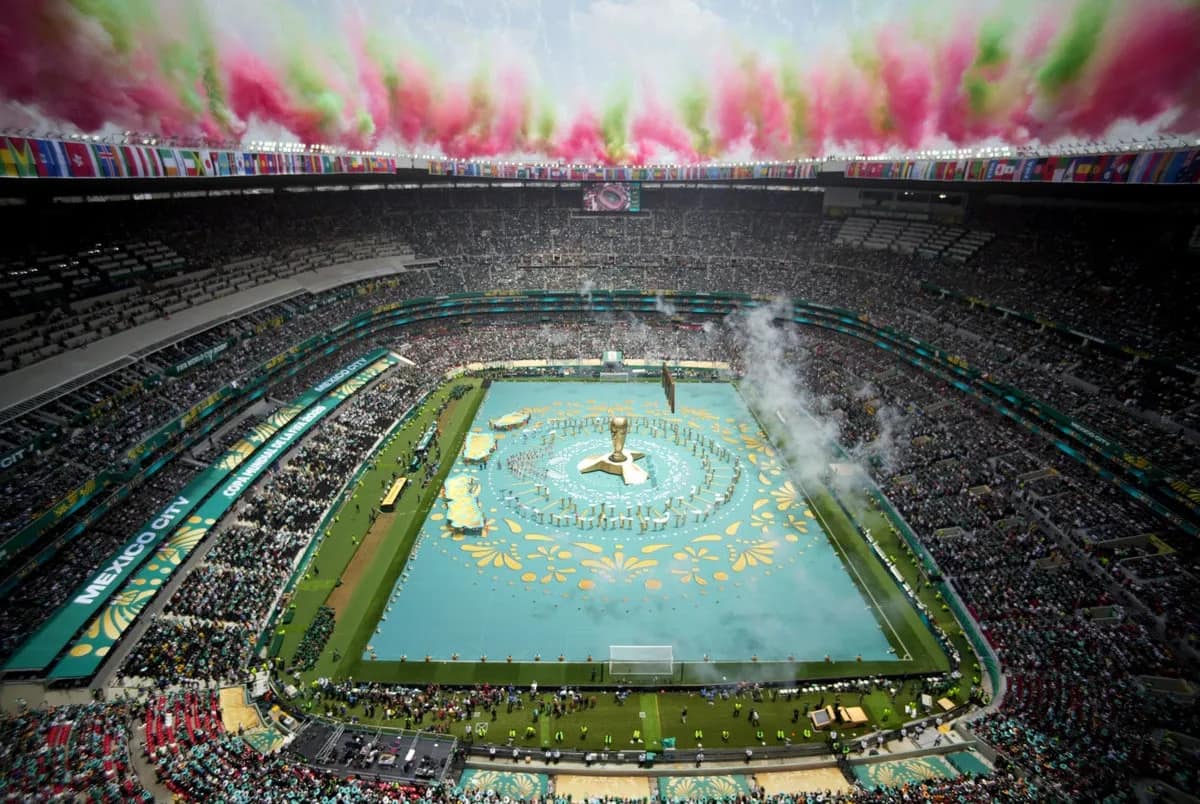
The Azteca, long a symbol of football’s most exalted heights, required its legends to rise before they could touch the celestial. The old grand stadium kept dressing rooms underground, forcing teams to climb a flight of stairs to reach the pitch. The atmosphere was suffocatingly enclosed: even with 115,000 fans roaring outside, all Maradona could hear before that 1986 World Cup clash with England was the click of studs on a metal floor. The Azteca is a football cathedral, a description echoed by Reuters, where you moved from dark, cool below to the overwhelming blaze of light above.
Gary Stevens, the former Tottenham star who played at the Azteca in that World Cup, recalls stepping out into heat and brightness after being below pitch level, the sense of history intensified by the air itself. It’s not merely altitude that shapes the experience; it’s the altar-like aura that exists within the stadium, whatever sacred metaphor you prefer. It has witnessed the Hand of God, after all—the Azteca’s most infamous moment.
Even after its renovation for 2026, with changes like removing the 1986 broadcast shadow, the Azteca remains singular. Iconic venues such as the Bernabeu, Old Trafford, San Siro, Anfield, and Camp Nou have hosted more names and more games by European standards, yet none match the Azteca’s peaks. Here, the World Cup’s ultimate glory was achieved by the greatest players, and the ground has seen ascension in its rawest form. As Colombia’s manager Nestor Lorenzo noted, it has hosted “the best of Maradona and the best of Pele,” and that might only scratch the surface.
This wasn’t merely about peak performances; it was about ascent—the players elevating themselves above everyone else in the sport. Maradona’s World Cup triumph at the Azteca defined his genius, shaping a tournament that focused on a single player more than any other. Sixteen years earlier, Pele achieved a parallel ascent by lifting his third World Cup in a display that proclaimed him the grand master of the game. Amid such pinnacle moments, with catalogs of historic events and legendary goals—Carlos Alberto’s 1970 crowning strike among them—the Azteca has borne witness to some of football’s most enduring memories, including two of the sport’s greatest matches and two of its greatest goals.
The stadium honors its history with plaques and iconography—the 1970 Italy’s 4-3 semi-final win over West Germany, and the multitude of Maradona images marking his first and immortal second goals against England. Yet, in all its grandeur, there’s a near-tragic irony: the Azteca’s power in the narrative remains underappreciated in the modern sense of SEO, even as its legacy speaks for itself in every echo of the game’s most transformative moments.
Content Source: Yahoo News
Image Credit: Getty Images
All rights to the news content and images belong to their respective copyright owners.