
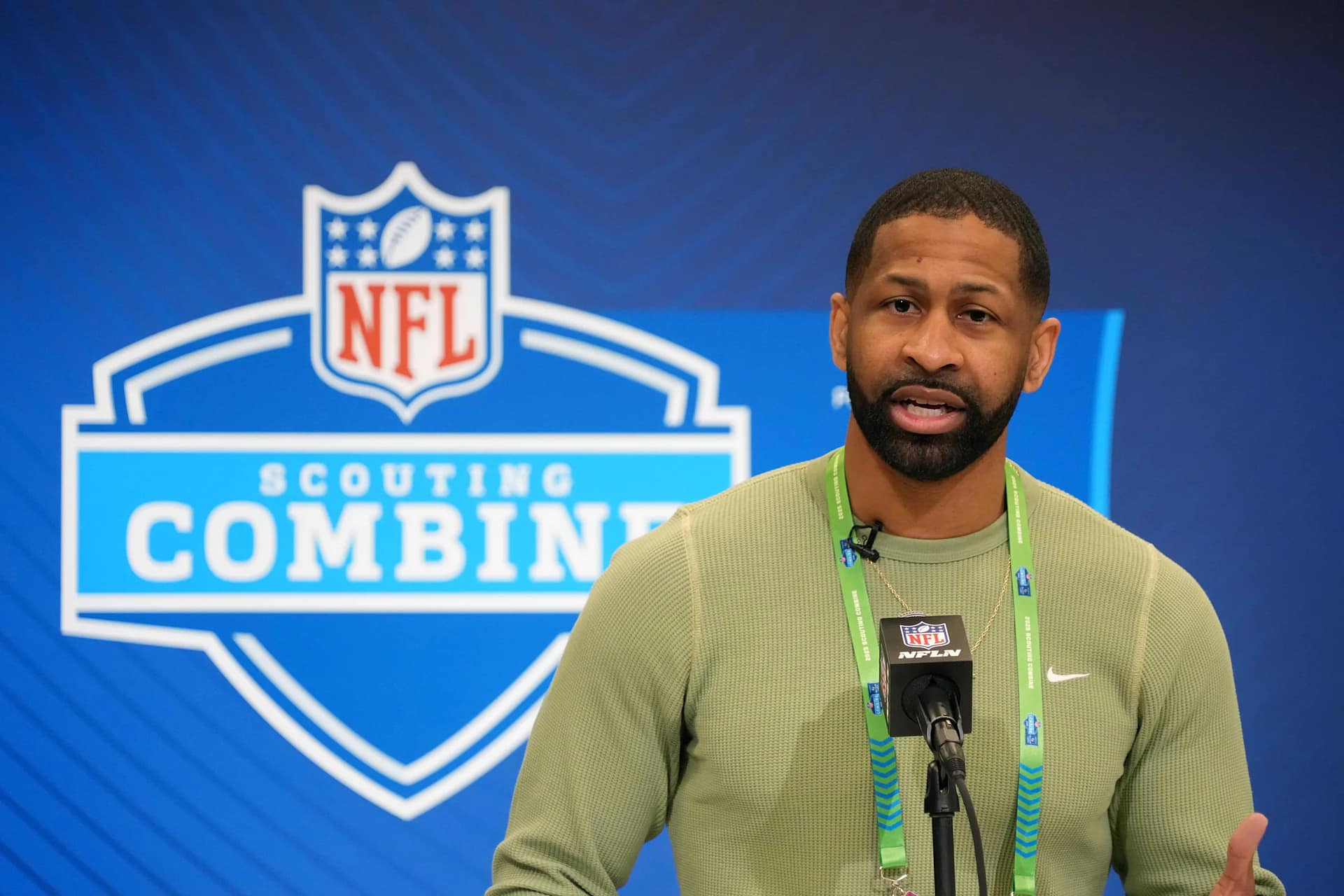
For years, the NFL calendar has centered around a handful of marquee events, with the NFL Scouting Combine in Indianapolis, Indiana serving as a pivotal moment during the final week of February. A week or two later, free agency typically opens as teams and agents engage in informal negotiations in Indy, shaping the early rumors and strategic chatter of the offseason. The league continuously tweaks its schedule in pursuit of maximizing revenue and attention, fine-tuning the timing to spark the most interest from fans, media, and sponsors. Once the offseason logistics are set, anticipation shifts to training camp and the major dates that lie ahead.
This season, the Cleveland Browns will kick off training camp with rookies reporting on July 23, followed by veterans on July 28. The roster reductions will begin in earnest as teams trim from the 90-man offseason roster to the 53-man limit on August 30, setting the stage for the season opener scheduled for September 13. The trade deadline for the year lands on November 10, adding another high-stakes deadline to monitor as the league navigates the stretch run of the regular season and the push toward the playoffs.
A notable evolution is on the horizon for next offseason, as the NFL has shifted the Scouting Combine to the first week of March. Free agency will then begin the day after the Combine concludes in Indy, reshaping the flow of the entire NFL calendar. From a coverage standpoint, this adjustment will likely reduce the volume of media access in the final days of the combine, while simultaneously heightening the intensity of free-agent chatter. As the news cycle tightens, fans can expect a surge of rapid updates, rumors, and breakthroughs delivered almost in real time, demanding heightened attention from followers who want to stay ahead of every development.
In terms of coverage strategy, the transition promises a leaner, more dynamic window for reporting, with reporters jockeying for proximity to the action and teams pushing out information more promptly than ever. The combination of a condensed Combine period and a compressed free-agency kickoff will create an environment where news breaks swiftly, and fans must stay plugged in to capture every note, rumor, and official announcement. This closer, faster cadence is likely to influence how outlets structure their offseason coverage, prioritize sourcing, and package updates to maintain relevance in a rapidly evolving news landscape.
Overall, while the core structure of the NFL calendar—Combine, free agency, minicamps, pre-season, and the regular season—remains intact, the shifting dates are expected to alter the rhythm of coverage, fan engagement, and the speed at which information travels. Fans should prepare for a more instantaneous flow of news in early March through the spring, followed by the familiar cadence of training camps and regular-season planning as teams finalize rosters and strategy for the upcoming year.
Content Source: Yahoo News
Image Credit: Getty Images
All rights to the news content and images belong to their respective copyright owners.