
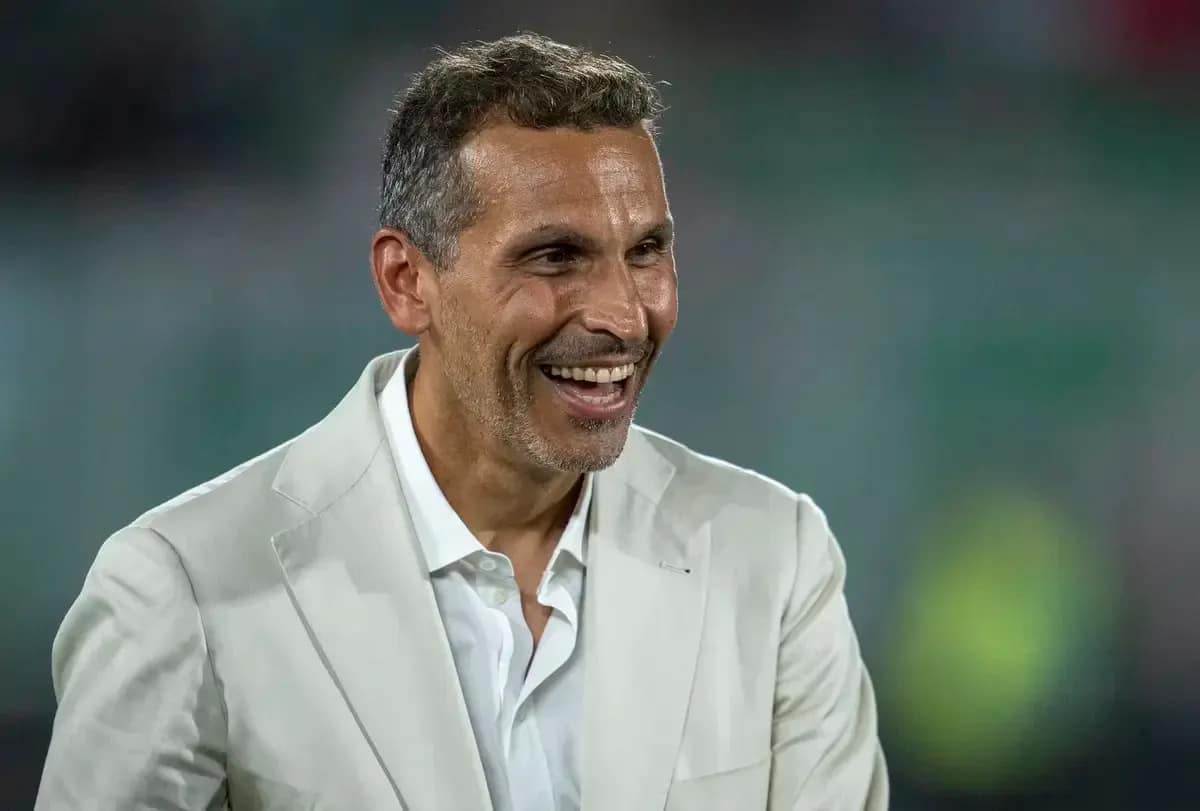
Manchester City chairman Khaldoon Al Mubarak spoke with Nottingham Forest owner Evangelos Marinakis at a UEFA dinner in the weeks leading up to the 2026 Champions League final, where the discussions over Elliot Anderson began. The early exchange added a new layer to one of the most intricate transfer sagas of the summer, as the behind-the-scenes start of the deal started to mirror the drama that unfolded in the subsequent weeks, with City and Forest striving to agree on a structure that would please all sides involved.
From the outset, Marinakis had been flagged within City’s circle as a potentially tough negotiating partner. Officials at the Etihad understood that the Greek shipping magnate would push aggressively to extract the maximum value for a player he believed to be among the Premier League’s top midfielders. This view proved prescient when Marinakis returned from the initial conversation with Al Mubarak and immediately asked for more money than had been discussed during the dinner, a development that set a testing tone for the negotiations to come.
The Athletic reported that Marinakis’s opening demand for Anderson valued the deal at a total of £126 million, arranged as £106 million paid up front with an additional £20 million in bonuses that he deemed easily achievable. The bonuses were framed as near-certainties in Marinakis’s eyes, ensuring the overall package functioned as a guaranteed £126 million rather than a headline fee with uncertain add-ons attached. This approach reflected Marinakis’s strategy to secure a guaranteed level of return on the player, with the extras designed to appear almost guaranteed if certain conditions were met.
City’s response was to push for add-ons linked to success in the UEFA Champions League, a competition City have won previously and view as a realistic target for a club of their stature. Forest, however, rejected that concept as not sufficiently realistic given the European pedigree and status gaps between the two clubs. The impasse over the structure of the add-ons became a central sticking point in negotiations, reinforcing how complex the deal was from the outset.
During the talks, other avenues were considered, including a player-plus-cash arrangement, which was explored but ultimately abandoned. It was not until Manchester City’s chief executive Ferran Soriano intervened that a definitive resolution began to take shape: a guaranteed £116 million fee with no add-ons attached. This figure represented a compromise that, in practice, fell short of Marinakis’s initial £126 million target, but it delivered certainty and simplicity to all parties involved.
The sequence of events underscored the challenging nature of the negotiation, with Marinakis’ demand for a guaranteed high return clashing with City’s preference for performance-linked incentives. The final agreed structure—guaranteed upfront and devoid of contingent bonuses—reflected a pragmatic outcome aimed at balancing Marinakis’s expectations with City’s strategic and financial calculus. The deal’s trajectory—from a dinner discussion to a formalized agreement—illustrates how such transfers can pivot on early framing, risk perception, and the willingness of leadership to step in and broker a clear, if modestly pragmatic, resolution.
Content Source: Yahoo News
Image Credit: Getty Images
All rights to the news content and images belong to their respective copyright owners.